
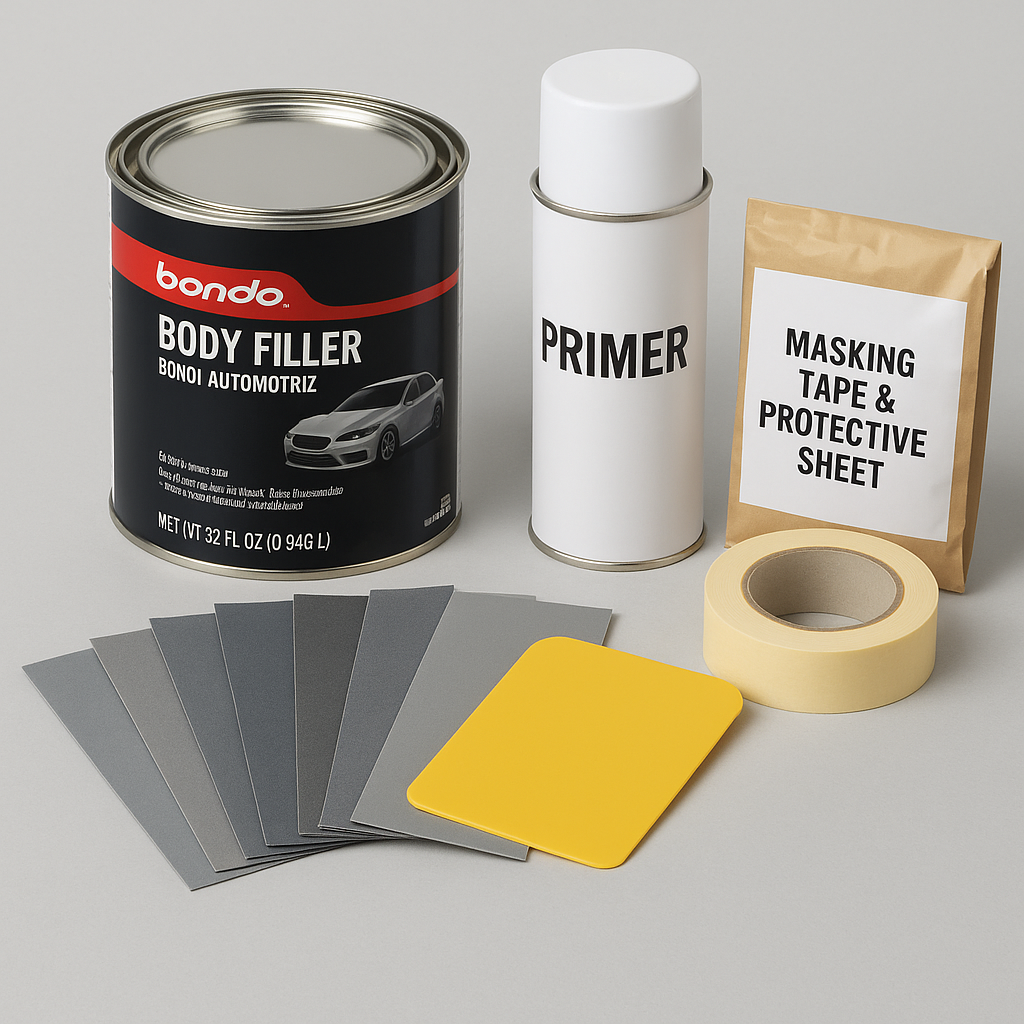
Dents on your car can be frustrating, whether caused by hail, shopping carts, or minor collisions. Fortunately, with the right tools and a little know-how, you can repair these imperfections at home using a car dent repair kit. In this comprehensive guide, we’ll walk you through each step of the dent removal process, using professional techniques and terminology to help you achieve smooth, near-factory results without the cost of a body shop.
Why Use a Car Dent Repair Kit?
A car dent puller kit or paintless dent repair (PDR) kit allows you to remove dents without damaging the paint. These kits are ideal for:
- Minor to moderate dents
- Door dings
- Hail damage
- Smooth metal surfaces
Benefits of DIY Dent Repair Kits:
- Cost-effective: Save hundreds over traditional repair shops
- Convenient: Repair on your own time, at home
- Paint-safe: Avoid repainting with PDR technology
- Beginner-friendly: Most kits are easy to use with basic instructions
What’s Inside a Car Dent Repair Kit?
A quality auto dent removal kit typically includes:
- Glue gun and glue sticks
- Pulling tabs (various sizes)
- Bridge puller or slide hammer
- Knockdown tool
- Rubber or plastic hammer
- Alcohol spray bottle (for glue removal)
- Scraper and cleaning cloth
Optional: Some advanced kits also include LED reflection boards for precision work.
Step-by-Step Process for Using a Car Dent Repair Kit
Step 1: Clean the Damaged Area
Start by thoroughly cleaning the dented area with soap and water. Remove all dirt, grease, and wax to ensure proper adhesion of the glue and tabs.
- Use isopropyl alcohol to remove any remaining residue.
- Dry the surface with a microfiber towel.
Step 2: Heat the Area (If Necessary)
If the panel is cold, especially in winter months, use a hairdryer or heat gun to slightly warm the metal. This increases flexibility and makes pulling easier.
Caution: Do not overheat, especially near plastic or painted trim.
Step 3: Apply Glue to the Pulling Tab
Heat the glue gun and apply a small amount of hot glue to the center of the pulling tab. Quickly press the tab onto the center of the dent.
- Hold it in place for 30–60 seconds to allow the glue to bond.
Step 4: Attach the Puller Tool
Once the glue has set:
- Connect the puller tool (bridge puller or slide hammer) to the tab.
- Begin the pulling process slowly and evenly.
- Repeat gentle pulls until the dent rises to the surface level.
Step 5: Remove the Glue and Tab
Spray isopropyl alcohol around the tab base to loosen the glue.
- Use a plastic scraper to gently remove the tab.
- Clean any remaining residue with a microfiber cloth.
Step 6: Knock Down High Spots
Use the knockdown tool and a rubber hammer to lightly tap down any raised areas created by over-pulling.
- Tap in a circular motion around the dent’s edge.
- Reassess the panel from different angles for accuracy.
Step 7: Repeat as Needed
Larger or deeper dents may require multiple rounds of pulling and knocking down.
- Use different sizes of tabs for better results.
- Be patient and consistent.
Pro Tips for Best Results
- Use proper lighting or a reflection board to track panel shape.
- Always pull straight—angled pulling can stretch the metal.
- Store tools clean and dry for long-term use.
- Avoid using excessive force to prevent paint cracks.
When to Consult a Professional
While DIY dent repair kits are excellent for small dents, you should seek professional help for:
- Cracked or chipped paint
- Dents on body lines or near edges
- Deep or sharp dents
- Damage to aluminum panels
Conclusion
Investing in a car dent repair kit is a smart move for any car owner who wants to save money and maintain their vehicle’s appearance. By following this step-by-step guide, you can handle minor dents like a pro and enjoy a smoother, cleaner look for your ride.
Whether you’re a DIY enthusiast or a first-time user, a little effort goes a long way in restoring your car’s beauty.